Honoring and Rethinking Minority Mental Health Month
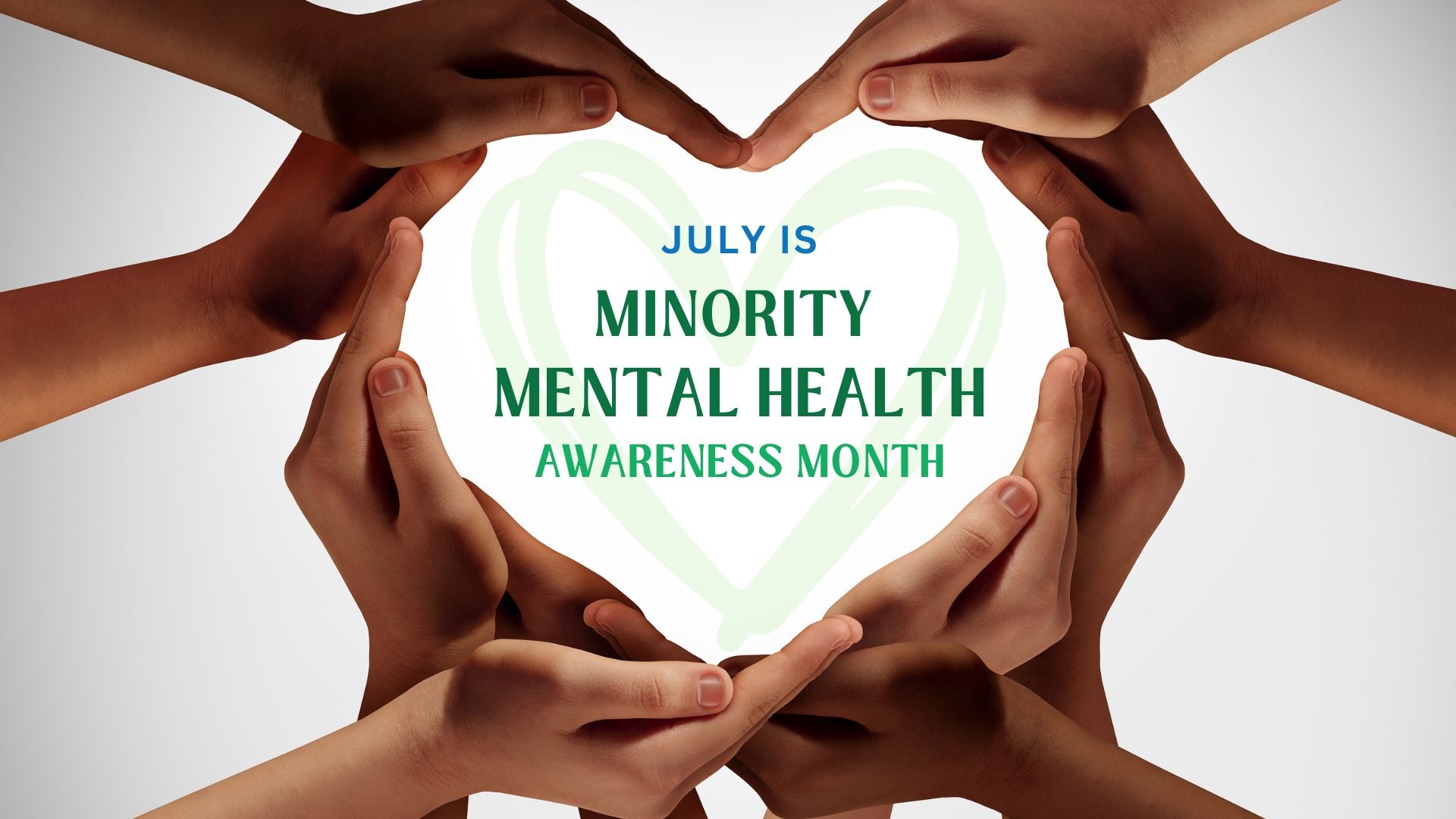
Since 2008, July has been recognized as Minority Mental Health Month, a time to center the voices and experiences of People of Color in conversations about mental health. While we fully support this recognition at BHN, our social justice lens also encourages us to rethink the term “Minority” as one which diminishes and excludes; and which doesn’t really describe the people we are trying to lift up in this month. The term BIPOC, which has substituted for “minority” in some circles, is similarly complicated and inadequate. For more information on this issue, please read, Why BIPOC Fails - Virginia Law Review
There is no one-size-fits-all experience and no one-size-fits-all name for those in this country who have experienced inequitable access to resources and services as a result of structural and institutional racism and discrimination. So, we won’t try to find one! During this month, we honor and recognize that structural racism continues to impact equitable access to appropriate mental wellbeing preventive, diagnostic and treatment resources.
BHN’s social justice commitment ensures an ongoing effort to identify and correct areas of inequity in our system and in our broader communities. Analysis of equitable access requires that people seeking care identify their identities. In line with state regulations, BHN has renewed our effort to collect accurate demographic data of the people whom we serve. With better data, we will be better able to evaluate how representative our client population is of our communities, and we will be able to begin looking at outcomes for groups of clients of different social locations to ensure that our treatments are culturally responsive and meeting their needs. Unfortunately, this effort coincides with many individuals being understandably concerned about sharing this personal information in light of new federal policies and practices. We will do our best to navigate these conflicting factors as we strive towards equitable care. And we continue the work of ensuring that all our treatment modalities and staff training are socially just and culturally relevant to the populations we serve.
This is a tough time for the work of equity and anti-racism. Even as demand for support grows, federal funding to many crisis hotlines and behavioral health support systems is being changed. Within that context, we offer resources below which continue to support mental health of communities who have experienced historic oppression and structural racism.
Mental wellbeing is not one-size-fits-all. We acknowledge the different faces of wellbeing and the significant disparity in behavioral health access; we recommit to our efforts to address this at BHN and in our communities.
Culturally Responsive Support Resources
- BlackLine Promotes social justice and offers crisis support, peer support, and care for BIPOC individuals. Phone: 1-800-604-5841 Website: callblackline.com
- Naseeha Mental Health Provides 24/7 confidential mental health support geared toward Muslim youth and adults. Phone: 1-866-627-3342 Website: naseeha.org
- 988 Suicide & Crisis Lifeline Call or text 988 to connect with trained crisis counselors available 24/7. Website: 988lifeline.org
- NAMI (National Alliance on Mental Illness) HelpLine support and referrals via phone, text, or email. Phone: 1-800-950-NAMI (6264) Text: “HelpLine” to 62640 Email: helpline@nami.org Website: nami.org
- Mental Health America (MHA) Offers culturally grounded resources, toolkits, and therapist directories for BIPOC communities. Website: mhanational.org/bipoc-mental-health
- The Trevor Project Provides 24/7 crisis support and suicide prevention services for LGBTQ+ youth, including those who are BIPOC. Phone: 1-866-488-7386 Text: START to 678-678 Website: thetrevorproject.org
- Therapy for Latinx National mental health resource offering a therapist directory and culturally affirming support for Latinx communities. Website: therapyforlatinx.com
- National Queer & Trans Therapists of Color Network (NQTTCN) A healing justice organization supporting queer and trans BIPOC mental health practitioners and communities. Website: nqttcn.com
What You Can Do
- Share these resources with clients, colleagues, and community members.
- Advocate for funding and policies that protect culturally competent care.
Turning awareness into action means staying committed to equity, access, and healing for all. If you or someone you care for would benefit from a mental health check-up or support call 413-301-WELL (9355) to get started.
SHARE
Topics


Stay Up to Date!
Sign-up for our newsletter to receive news and updates from BHN.